
Stop overthinking, hesitating and panicking.
Use a science-backed, systematic method utilising evidence-based techniques where you will build atomic habits that make you become unstoppable.
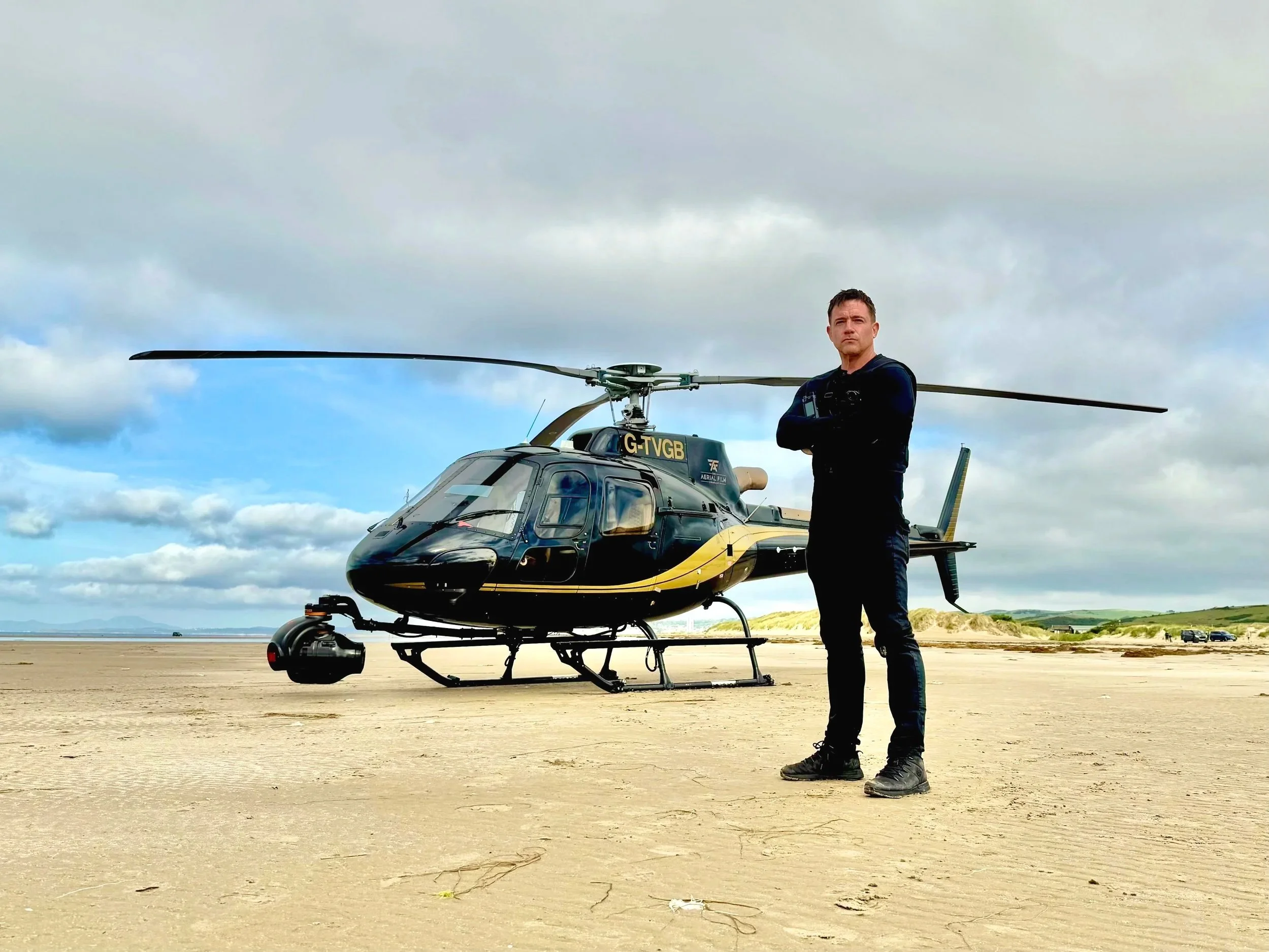
Included in this course is everything I did to go from total Burnout to being cast in the global TV series HUNTED.
You may still be showing up every day, but deep down you know something has to change.
Your energy is low.
Your body doesn’t feel like it used to.
Your confidence has taken a hit.
Your motivation comes and goes.
Your health has declined.
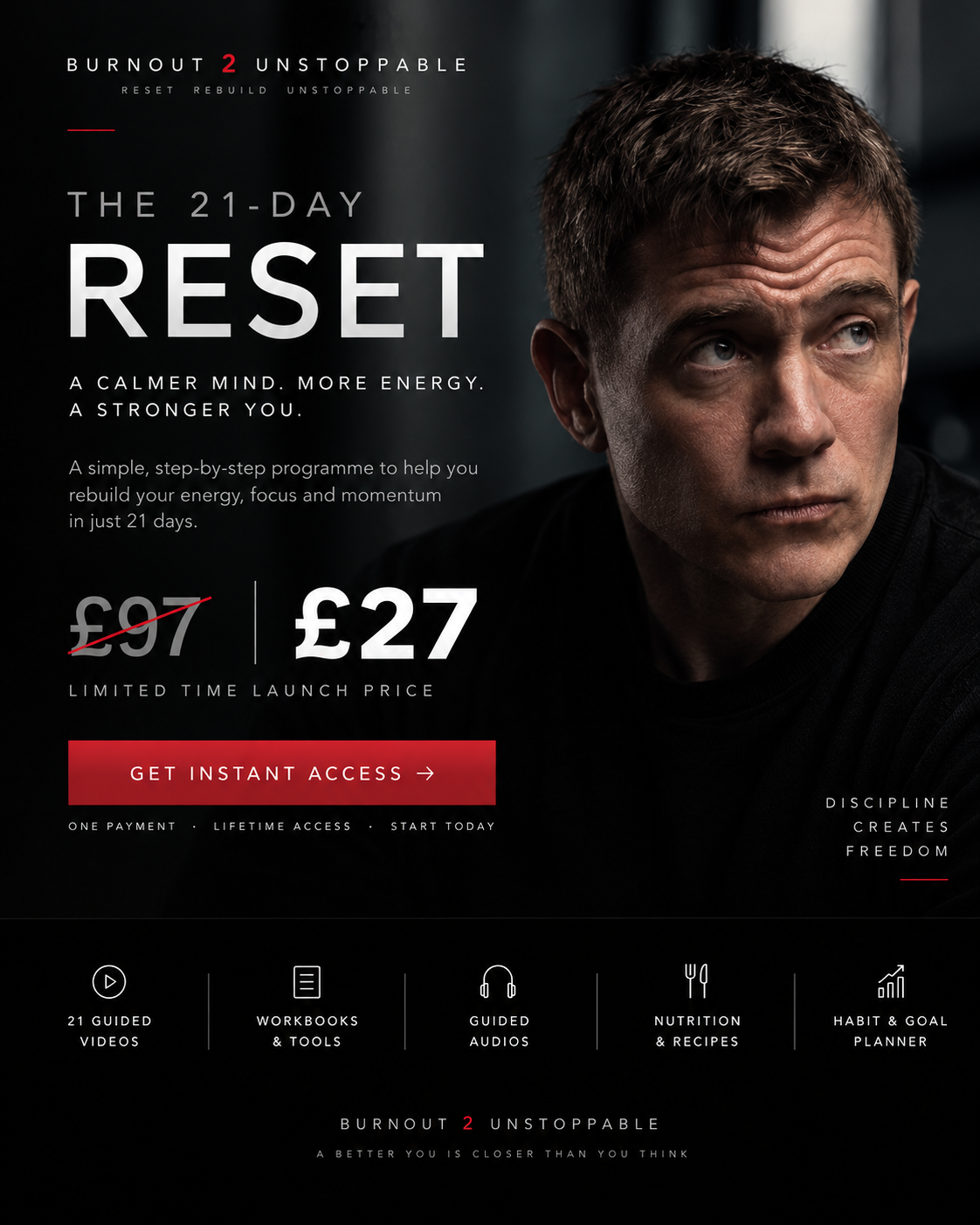
Be Unstoppable
Be Unstoppable
Everything Included In Your 21 Day Reset
21 Day Unstoppable Video Series — daily video training to rewire your response to stress (Value: £97)
Guided Sleep Meditations — fall asleep faster and stay asleep (Value: £27)
Stop Self-Sabotage Audio Series — break the patterns holding you back (Value: £27)
Instant Calm Technique — a tool you can use anywhere, anytime pressure hits (Value: £17)
Unstoppable Brainwave Sound Frequencies — audio designed to shift your state fast (Value: £27)
Workbooks — track your progress day by day (Value: £17)
Full Nutrition Plan + Recipe Cards — with macros, built for energy and recovery (Value: £37)
Total Value: £249 — Yours Today for Just £27
Get immediate ccess to the 21 Day Unstoppable Video series, guided meditations for better sleep, stop self sabotage, instant calm, sound frequencies to access unstoppable brainwaves, workbooks, nutrition plan, recipe cards including macros and much more.
“Paul’s Mind and Body Reset programme incorporates powerful mindfulness techniques designed to help you face any challenge and allowed me to overcome past trauma that has now enabled me to pursue a new career and life of happiness”
Kirsty
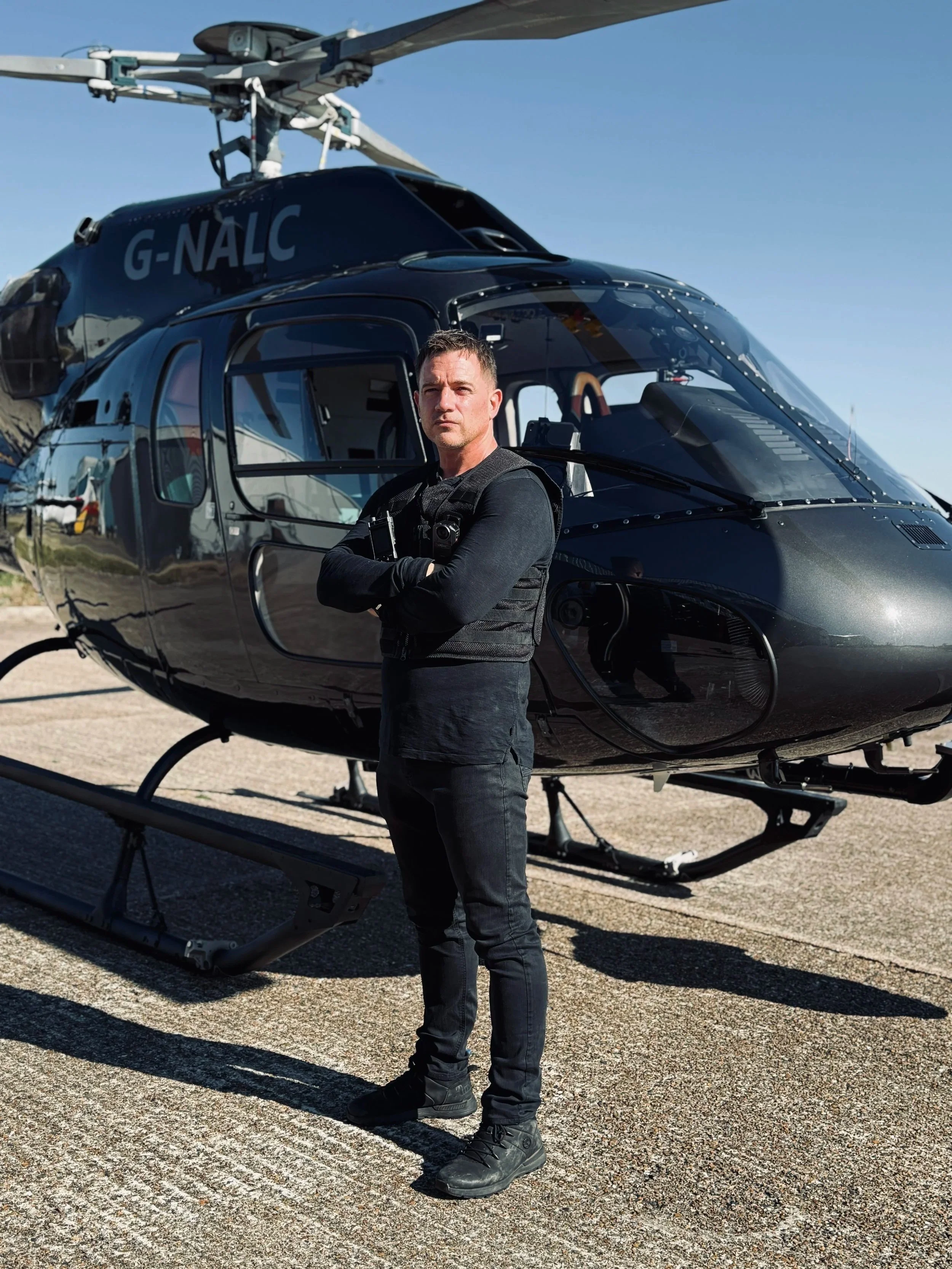
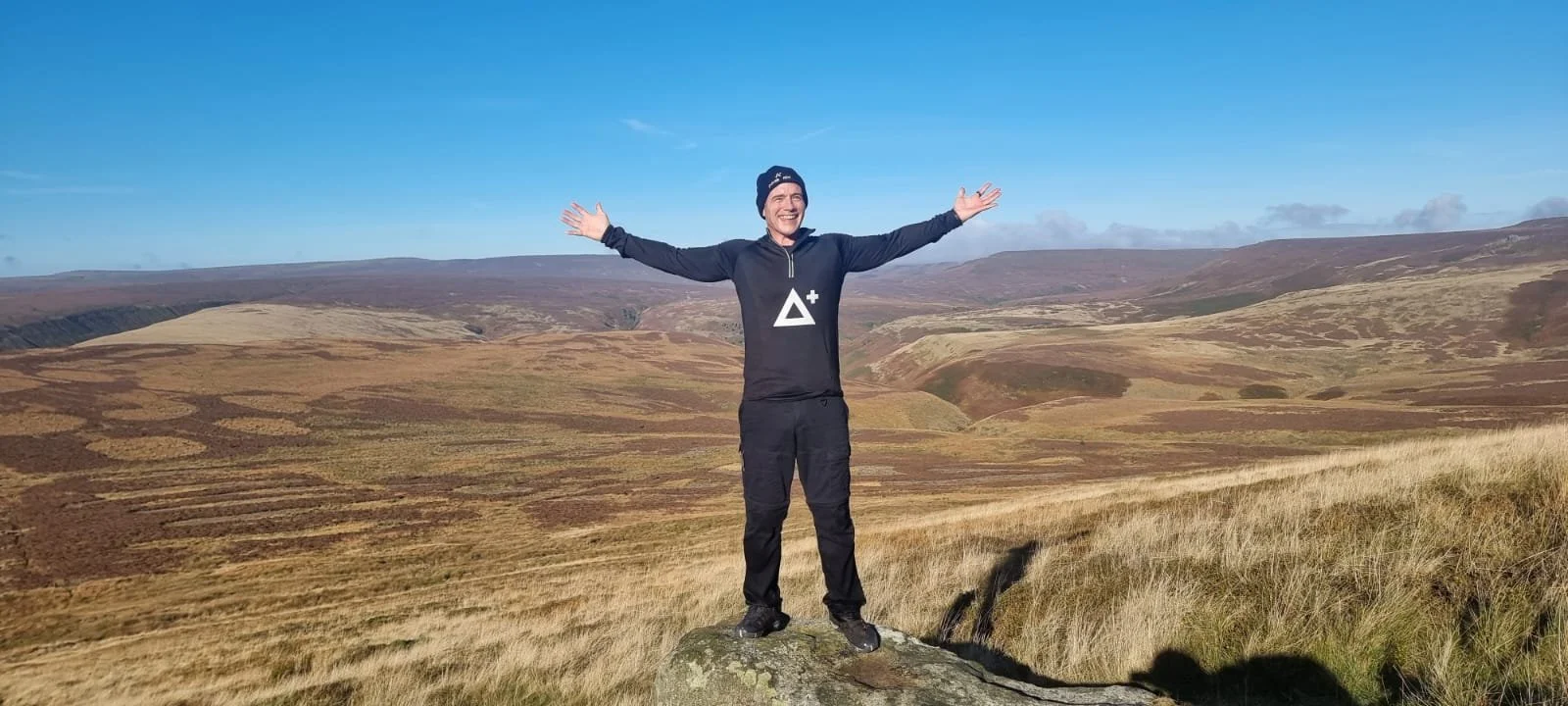
I’ve spent many years studying human performance. I’ve interviewed Buddhist monks and taught mindfulness and meditation practices, and as a certified NLP Master Practitioner and accredited EMDR therapist I’ve helped hundreds of people overcome trauma, chronic anxiety, and PTSD.
I’ve also personally experienced severe stress and used those same evidence-based methods to recover from total burnout and ultimately become the fittest, healthiest version of myself.
Get immediate ccess to the 21 Day Unstoppable Video series, guided meditations for better sleep, stop self sabotage, instant calm, sound frequencies to access unstoppable brainwaves, workbooks, nutrition plan, recipe cards including macros and much more.
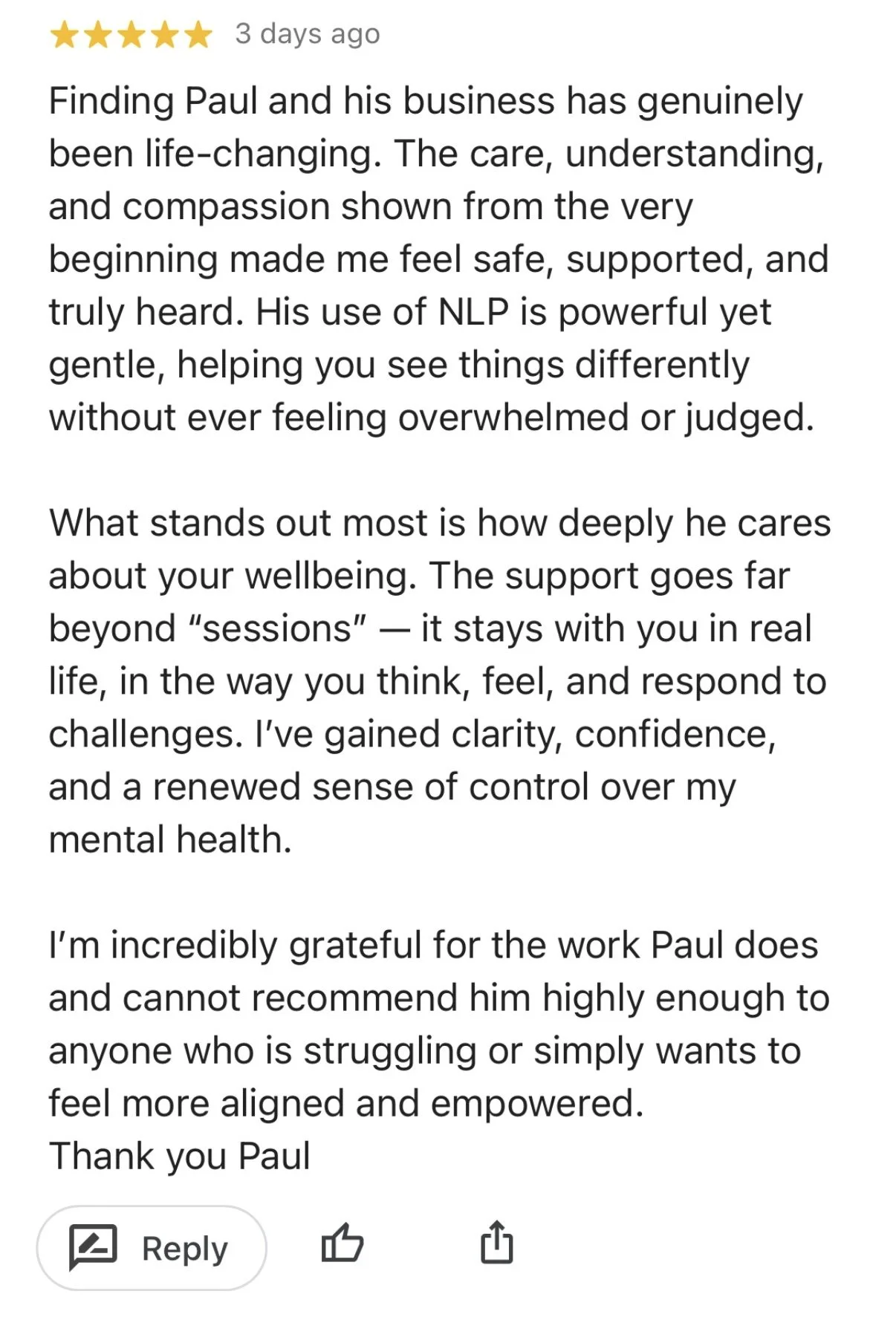
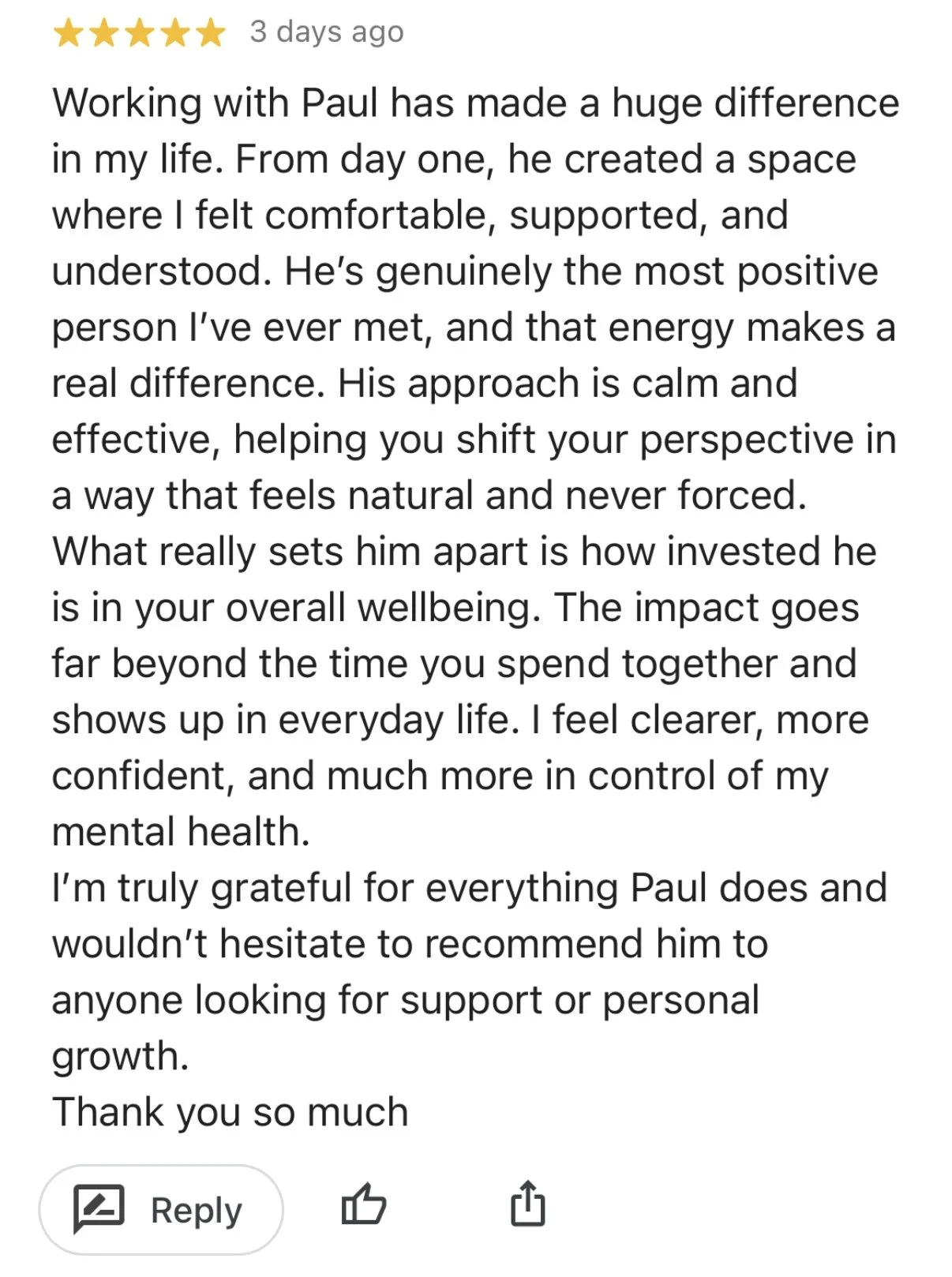
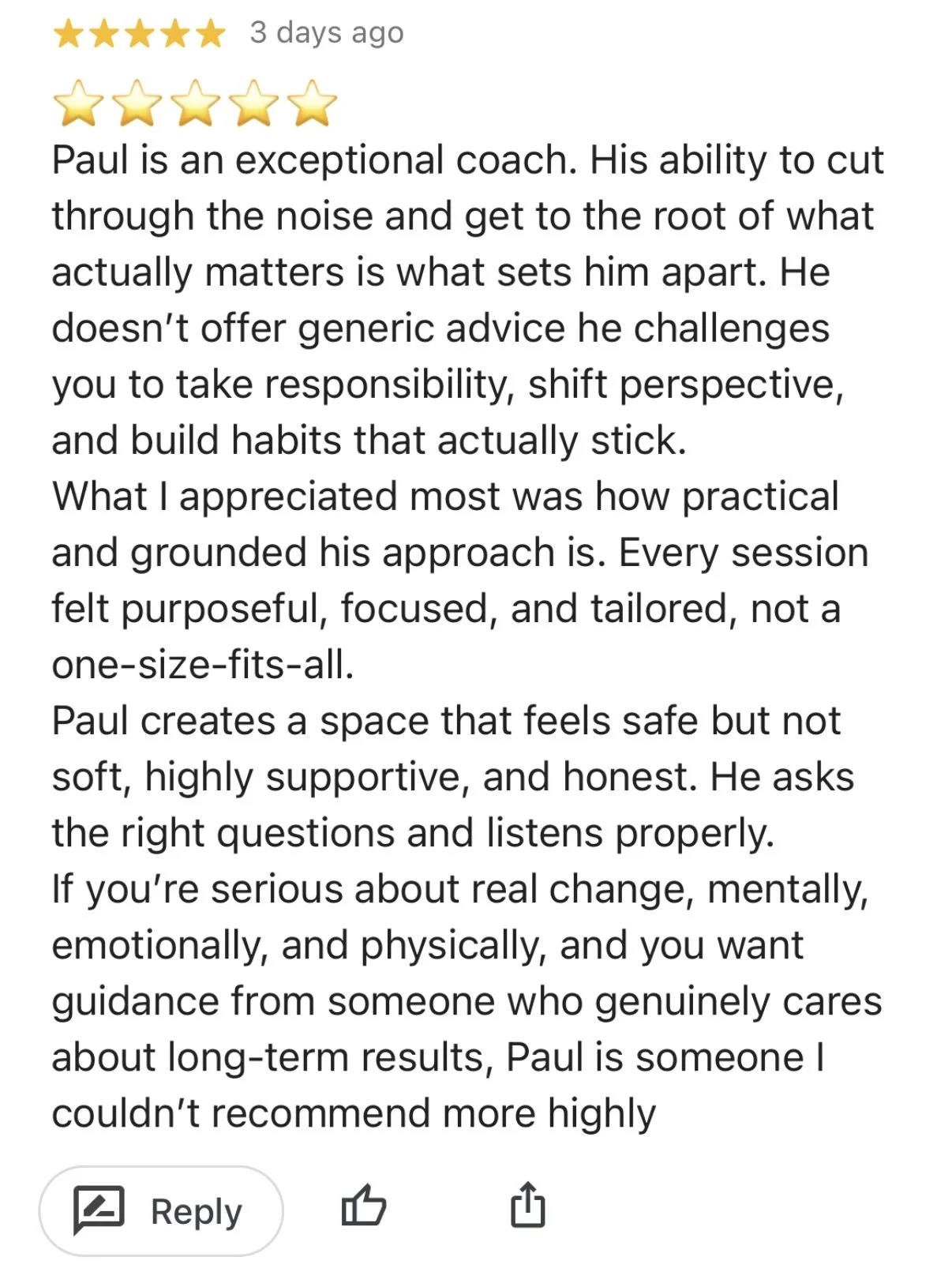
Get immediate ccess to the 21 Day Unstoppable Video series, guided meditations for better sleep, stop self sabotage, instant calm, sound frequencies to access unstoppable brainwaves, workbooks, nutrition plan, recipe cards including macros and much more.
Frequently Asked Questions
-
Most people spend 15–20 minutes a day on the videos and techniques. It's built to fit around a full-time job, not replace your evenings.
-
Go at your own pace — the 21-day structure is a framework, not a deadline.
-
This isn't generic mindfulness content. It's built from the same performance-under-pressure techniques Paul uses training people in high-stress, high-stakes environments — combined with NLP and nutrition science, not just breathing exercises.
-
No. Everything is designed for complete beginners — just headphones and somewhere quiet for the audio sessions.
-
We offer flexible pricing based on project type and complexity. After an initial conversation, we’ll provide a transparent quote with no hidden costs.
-
You get instant access to everything — videos, workbook, meditations, nutrition plan — No waiting.
“My stress was so bad, my sleep was dreadful and it was having a major impact on my family. When Paul is in Dubai we work together in person”
— Mark
“Since working with Paul I have so much more energy and focus. Truly transformational”
— Callum
“Paul has truly transformed my view on meditation and sound healing.
I live in Dubai and worked with Paul on a one to one basis when he was here from the UK.”
— Anne
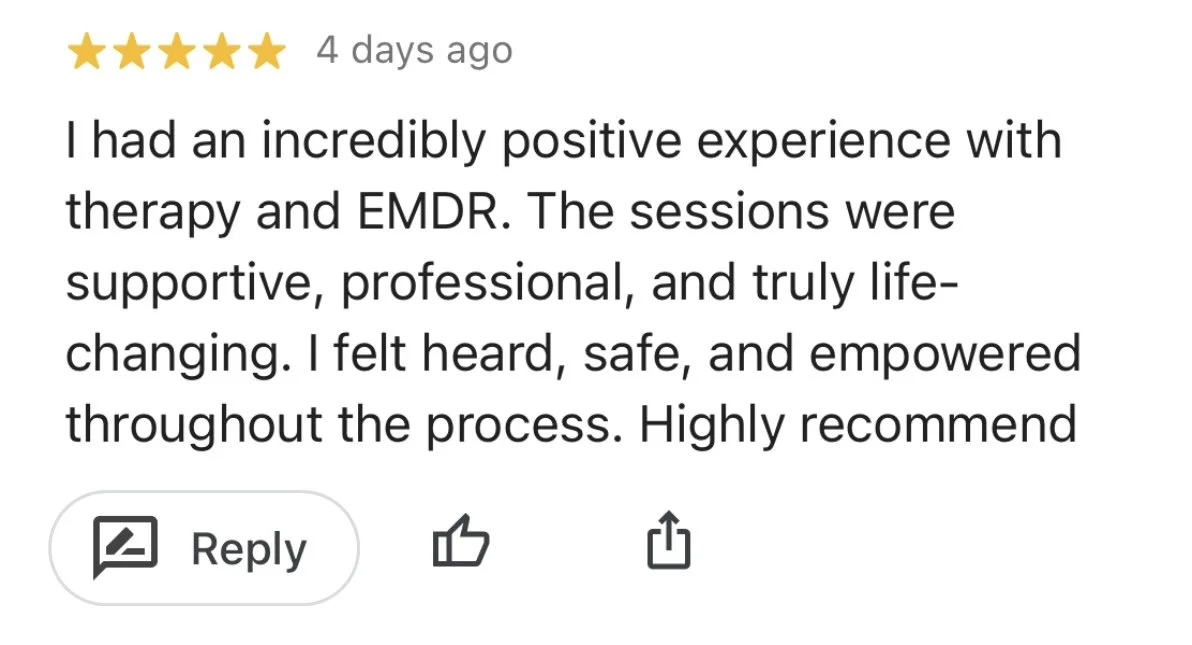
“I’ve referred several of my patients to Paul for support with stress management, health anxiety, and coping without antidepressants, including some very complex cases. The feedback has been outstanding. Paul’s stellar skills in NLP, combined with his genuine kindness and ability to put people at ease, have made a real difference to those who were struggling.”
-Sam, Learn to Heal Naturally
“I came to Paul completely burned out. Within weeks, my sleep improved, my focus was back, and for the first time in years—I felt in control again.”
— Daniel T., Tech Founder
“It’s like performance coaching on a whole different level. Paul trains your mind to thrive under pressure.”
— Amira K., Investment Executive
“I didn’t realise how much stress was costing me until I started working with Paul. Now I feel stronger, sharper, and more in tune with my purpose.”
— James L., CEO





















As featured in the Channel 4 series Hunted
Channel 4’s HUNTED.
Paul has featured as a Hunter in the award-winning Channel 4 series Hunted ever since the creation of the programme. The series has been broadcast globally and has been and is one of their highest-performing programmes.
Get immediate ccess to the 21 Day Unstoppable Video series, guided meditations for better sleep, stop self sabotage, instant calm, sound frequencies to access unstoppable brainwaves, workbooks, nutrition plan, recipe cards including macros and much more.